Introduction
When it comes to maintaining your home, one of the most crucial decisions you'll face is whether to invest in a new roof or repair the existing one. Your roof is your home's first line of defense against the elements, and it plays an essential role in the overall integrity and value of your property. But how do you know what's best for you? This comprehensive guide aims to help you navigate the complexities of roofing choices, weighing the pros and cons of each option.
Choosing Between a New Roof or Repairing an Old One?
Deciding between a new roof or repairing an old one can feel overwhelming. Homeowners often find themselves caught between two options that seem equally appealing or daunting. So, what factors should you consider? Let’s break it down.

Understanding Your Roofing Needs
Assessing the Condition of Your Roof
Before making any decisions, it's essential to assess your current roof's condition. Look for:
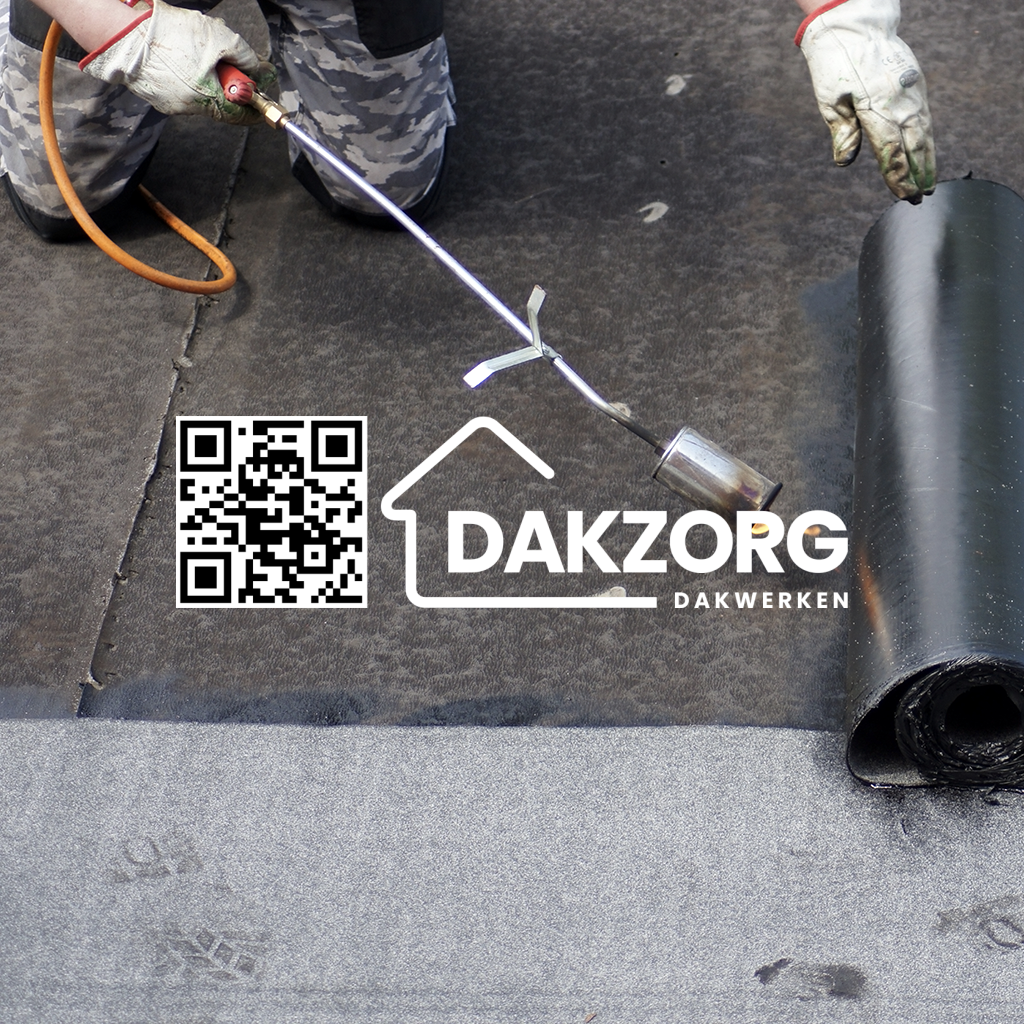
- Visible damage: Cracked shingles, water stains on ceilings, or sagging areas. Age: Most roofs last between 15 to 30 years depending on materials used. Previous repairs: If you've had multiple repairs over the years, it may be time for a replacement.
Factors Influencing Your Decision
Several factors can influence whether a new roof or repairs are more suitable for your situation:
Budget Constraints: Are you financially prepared for a complete overhaul? Time Considerations: How soon do you need a solution? Aesthetic Preferences: Do you want an upgrade in appearance? Energy Efficiency: Will a new roof significantly reduce energy bills?The Pros and Cons of Roof Repair
Advantages of Roof Repair
Cost-Effective: Generally cheaper than a full replacement. Faster Process: Repairs can often be completed quickly. Minimal Disruption: Less mess and hassle than replacing an entire roof.Disadvantages of Roof Repair
Temporary Solution: Repairs are often short-term fixes. Recurring Issues: You may find yourself needing frequent repairs. Potential for Hidden Damage: Underlying issues may remain unaddressed.The Pros and Cons of Installing a New Roof
Advantages of Installing a New Roof
Long-Term Investment: A new roof lasts longer than repaired roofs. Increased Home Value: A new roof boosts curb appeal and resale value. Warranties Available: Many roofing materials come with warranties.Disadvantages of Installing a New Roof
Higher Initial Cost: The upfront investment can be significant. Time-Consuming Process: Replacing a roof takes longer than repairs. Potential Disruption: Construction noise and debris might be unavoidable.Calculating Costs for Each Option
Estimating Repair Costs
To estimate repair costs effectively:
- Get quotes from multiple contractors. Factor in material costs and labor fees. Consider potential hidden problems that may arise during repair.
| Type of Repair | Estimated Cost | |------------------------|------------------| | Shingle Replacement | $200 - $500 per | | Leak Sealing | $100 - $300 | | Flashing Replacement | $300 - $800 |
Estimating Replacement Costs
When considering replacement costs:
- Gather bids from several roofing companies. Determine material preferences (asphalt shingles vs metal). Account for disposal fees if removing old roofing material.
| Type of New Roof | Estimated Cost | |---------------------------|------------------| | Asphalt Shingles | $5,000 - $10,000 | | Metal Roofing | $10,000 - $20,000| | Tile Roofing | $15,000 - $30,000|
Material Considerations in Roofing Choices
Popular Roofing Materials
Different materials offer various advantages:
Asphalt Shingles- Affordable Widely available Good lifespan (15–30 years)
- Durable Energy-efficient Longer lifespan (40–70 years)
- Highly durable Excellent aesthetic appeal Heavy; requires strong support
Environmental Impact
Consider the environmental impact when choosing materials:
- Recyclable options like metal reduce landfill waste. Asphalt shingles are less eco-friendly but widely used.
The Importance of Professional Consultation
Hiring professionals can save you time and money in the long run:
They bring expertise to accurately assess damage. They can provide tailored solutions based on your needs. Professionals ensure compliance with local building codes. roofing service BrunssumIntroducing Technology into Your Decision-Making
With advancements in technology, evaluating your roofing options has become easier:
Roof Inspection Drones
These drones provide detailed assessments without needing ladders or scaffolding.
Roofing Software Tools
Many companies use software to project costs based on material choice and labor rates.
Frequently Asked Questions (FAQs)
Is it better to repair or replace my roof?
It depends on several factors such as age, extent of damage, budget constraints, and future plans for the property.
How long does a new roof last?
Most roofs last between 15 to 50 years depending on the material used.
Can I stay in my house during repairs?
Typically yes; however, some situations may require temporary relocation due to noise or safety concerns.
Will my insurance cover roof repairs?
It depends on your policy; many homeowner policies cover damages but check with your provider for specifics regarding wear-and-tear versus storm damage.
What signs indicate I need a new roof?
Signs include extensive leaks, sagging areas, missing shingles, or significant wear after 20+ years of service.

How much will it cost to replace my roof?
Costs vary widely based on size, materials chosen, and labor rates but generally range from $5,000-$30,000 for residential homes.
Conclusion
When faced with “Choosing Between a New Roof or Repairing an Old One?”, remember that every situation is unique! By carefully considering your home’s needs—alongside financial implications—you'll be well-equipped to make an informed decision that benefits both your comfort now and your investment later down the road! Take time to evaluate all aspects involved before committing; after all—it’s not just about shelter—it's about securing peace-of-mind for years ahead!